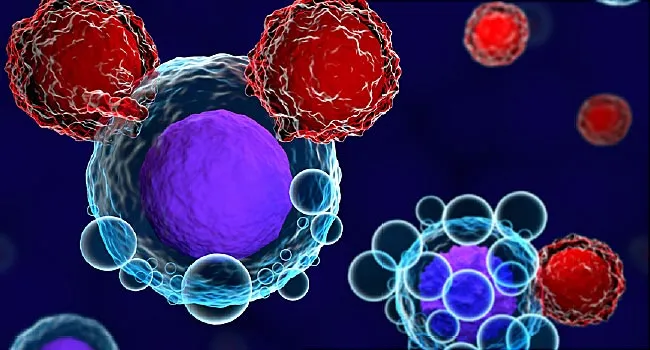
It is packed with millions of living, beating cells to mend damage following a heart attack, say researchers.
from BBC News - Health https://bbc.in/2W83Msg
via IFTTT
from BBC News - Health https://bbc.in/2W83Msg
via IFTTT


Of the estimated 23 million people in the US who have been diagnosed with diabetes, more than 30% take daily insulin injections to control their blood sugar (glucose) levels. Chances are good that someone you know has been startled by the high cost of this medication.
Prices for this essential medication have been rising faster than overall health care costs. From 2002 to 2013 prices tripled, doubling again from 2012 to 2016 and continuing upward since. Patients can be charged hundreds or even thousands of dollars for insulin at the pharmacy. And insulin costs can vary depending on type and amount of insulin, insurance details, and even time of year for some.
According to recent news stories, people with diabetes have rationed insulin to save money, leading to illness and even death.
Analogue insulins have become the first choice when patients start insulin treatment, because their action more closely matches the body’s own blood sugar patterns. Analogue varieties of insulin, introduced to the market in 1996, are designed to be slightly different from natural human insulin. Short-acting versions, such as Humalog, Novolog, or Apidra, are usually prescribed to be taken at meals, together with a once-daily, long-acting version such as Lantus, Levemir, or Tresiba.
Prior to analogue insulins, most people with diabetes were treated with synthetic human insulin, identical to the body’s natural insulin, which in turn replaced original animal-derived insulins in the 1980s.
Unfortunately, analogue insulins typically cost two to 10 times the price of human insulin.
In a recent JAMA study, researchers examined a cost-saving option: switching from analogue insulin to human insulin.
In the study, subjects were all older adults with diabetes, using analogue insulins, and covered by one specific Medicare Advantage health plan. Almost all had type 2 diabetes. Patients were given financial incentive to change from analogue insulin to human insulin ($37.50 copay for analogue insulin versus no copay for human insulin). The authors then compared patients who switched to human insulin (Humulin 70/30 or NPH insulin) injected twice daily with an equal number of similar patients who continued their analogue insulins injected three or more times per day. The study period was about 24 months.
The most dramatic finding of this study was a reduction in total insulin costs for the insurer by more than 50%. Because prescription costs were less, fewer patients entered the Part D Medicare coverage gap during one calendar year, reducing costs to the patients as well.
But did the human insulin work as well as the analogue insulins? This particular group of patients had an overall 0.14% increase in glycohemoglobin A1C compared to those who did not switch insulins. Glycohemoglobin A1C is a test used to estimate average blood glucose and assess whether a person’s diabetes is in control; increased levels typically signal worsening control. The 0.14% change observed in this study is small, and for most individuals would not be an important difference. However, if the study were carried out for longer, in a larger group of people, or with randomized subjects, it is possible that this change would be magnified and therefore more worrisome.
Instances of severe hypoglycemia (dangerously low blood sugar) or hyperglycemia (high blood sugar) were not found to be different in the two groups. Milder instances of hypoglycemia were not tracked, since most such episodes are self-treated by the patient or a companion. Hypoglycemia during the night has been shown in other studies to occur more commonly with human compared to analogue insulins.
Overall, this study supports the idea that it is possible for certain older individuals with type 2 diabetes to safely change from expensive analogue insulin to more affordable human insulin. The findings should readily extend to some younger patients as well. However, there are many people, including most of those with type 1 diabetes, for whom this kind of change would not be appropriate and could destabilize blood glucose control.
Each person with diabetes has a unique medical situation, and good advice must be individualized after considering factors such as age, type and duration of diabetes, blood glucose patterns, diet, concurrent medical issues and medications, lifestyle, and more.
For patients whose insulin costs have become intolerably high, switching from analogue to human insulin is one option to explore. As with any change in prescription medication, this option should be considered together in consultation with your diabetes care provider.
The post Human insulin may be a lower-cost option for some people with diabetes appeared first on Harvard Health Blog.

or the study, the investigators analyzed data from the U.S. National Cancer Database. They compared nearly 36,000 women who were diagnosed and treated between 2004 and 2009, with more than 37,000 women diagnosed and treated between 2011 and 2014.
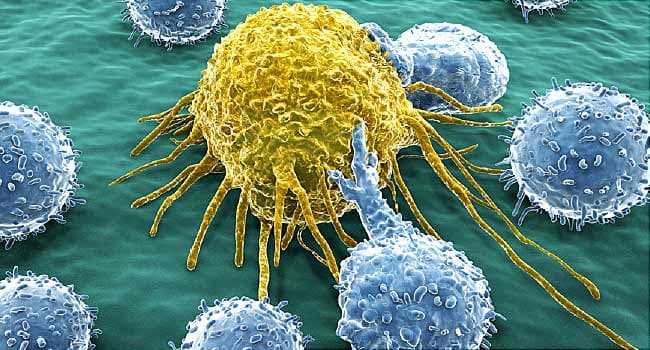
Two drugs that interfere with cancer's ability to use testosterone for fuel, apalutamide (Erleada) and enzalutamide (Xtandi), are already approved for use against more advanced prostate tumors that don't respond to regular therapy.