As you may have heard by now, Europe recently received one of their biggest swell in years and surfers were absolutely charging. From Ireland to Portugal, liquid mountains pounded the shorelines and a few brave souls met the challenge head-on.
While most media from the historic swell features surfers getting all-time rides, it’s worth remembering that not every wave has a happy ending. To prove that point, Kai Lenny released this POV GoPro footage of him getting absolutely annihilated by an entire set of waves at Portugal’s famed big-wave spot, Nazaré.
Most parents of a sports-loving 10-year-old might feel proud when their kid hits a home run, scores a touchdown, or tickles the back of the soccer net.
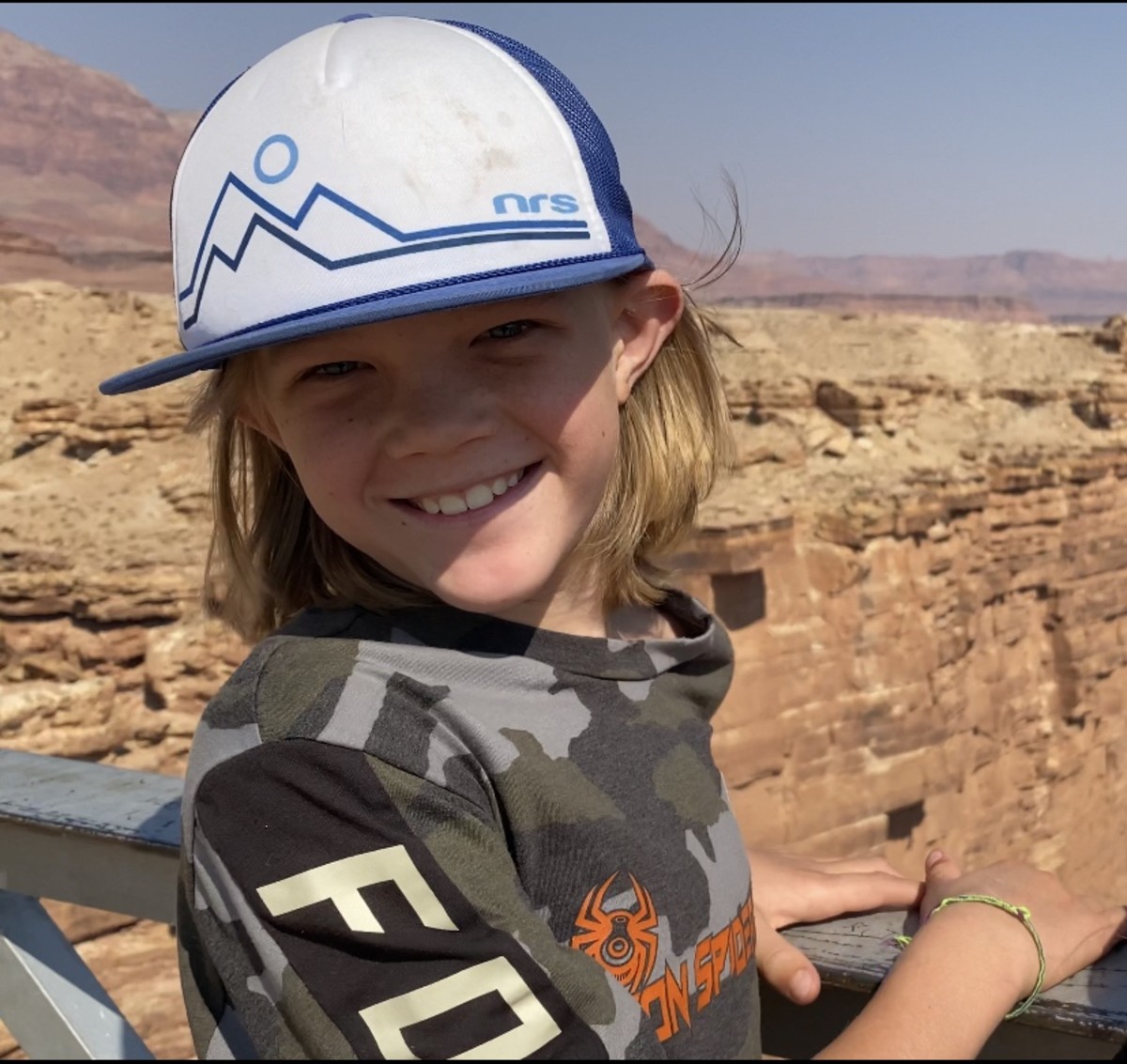
Not Tommy and Polly Hilleke of Glenwood Springs, CO. Their moment came this fall when their son Bodie, at just a decade old, became the youngest person to kayak the entire Grand Canyon of the Colorado River.
courtesy Polly Hilleke
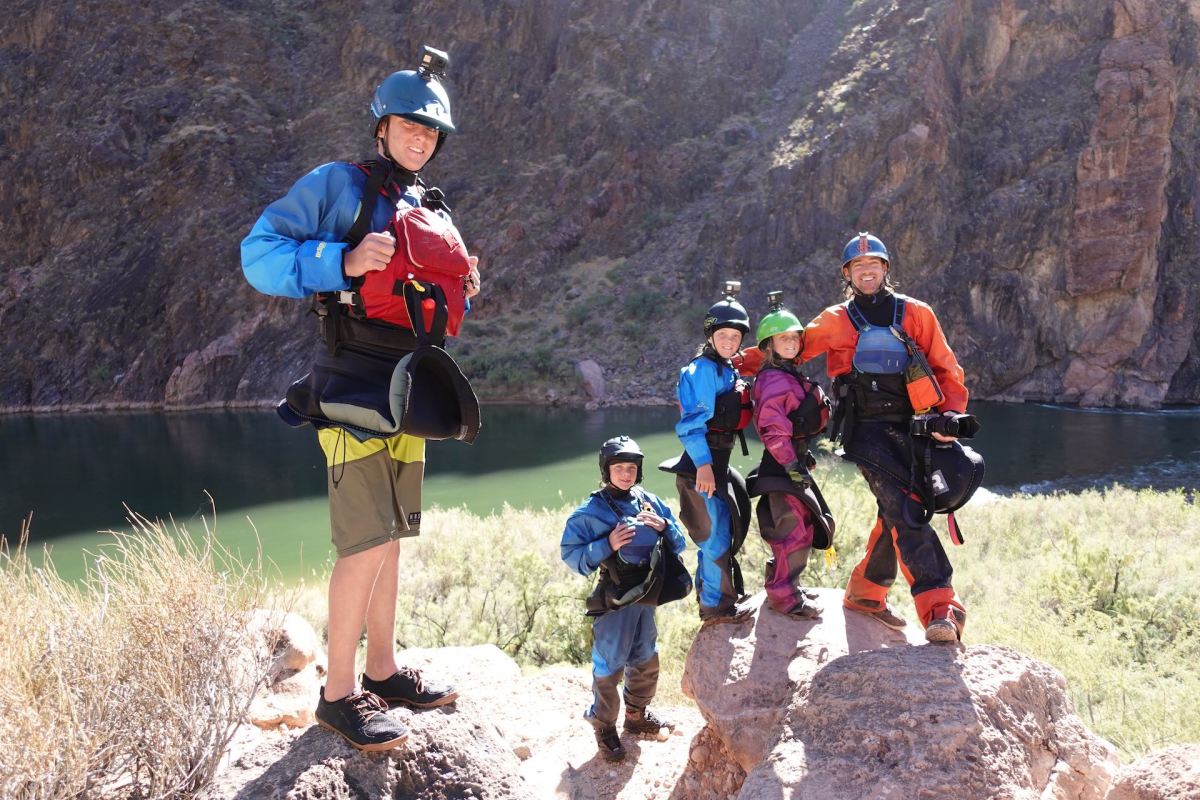
It helps, of course, to have the pedigree. Both kayaking icons in their day—Tommy a legendary extreme kayaker and perennial winner of the coveted Green Race, and Polly an accomplished kayaker as well—the paddling parents took their family kayaking down the Grand Canyon this October, including Kelly, 14, Daniel, 13, Dax, 11, and the youngest, Bodie, 10. The brood of boaters kayaked the Grand’s 280 miles in 18 days, with Bodie setting a likely world record in the process (paperwork is currently being filed with Guinness World Records).
The four Hilleke boys, from left, Kelly, Daniel, Bodie, and Dax with father Hilleke.courtesy Polly Hilleke
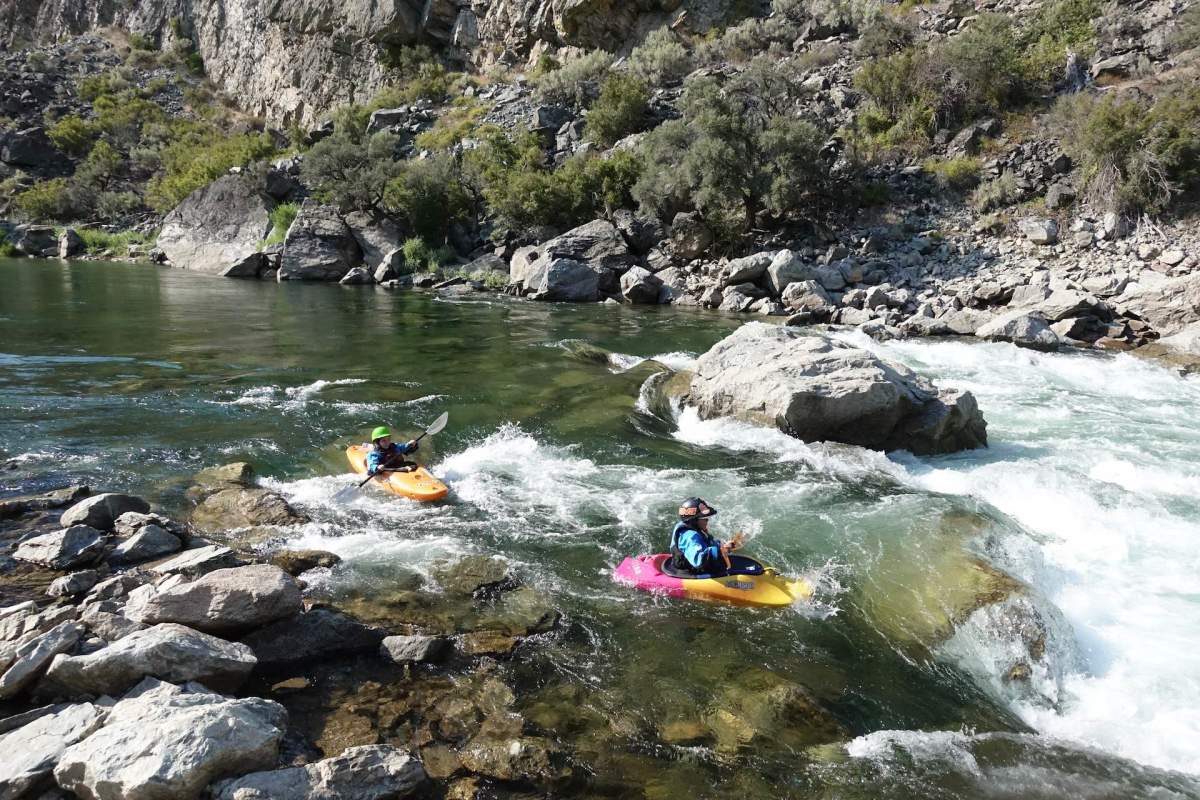
For fifth-grader Bodie, the run was the pinnacle of a paddling season that included kayaking trips down Idaho’s Main and Middle Fork of the Salmon, Utah’s Westwater Canyon, Yampa Canyon and the Arkansas River in Colorado, plus numerous laps on his hometown section of the Colorado River through Glenwood Springs—all as training for his trip down the Grand. Eight of the 16 people on the trip were kids, ages 8 to 14, giving Bodie—who started kayaking at age 5—plenty of campfire camaraderie.
“It was pretty inspirational to watch,” says Ian Anderson of Carbondale, CO, who joined the trip rowing a raft with his two kids. “Bodie ran the meat in every rapid and crushed it.”
Below, the Hilleke parents, Tommy and Polly, liken the lessons they’ve learned along the way into situations other parents might find themselves in.
On motivating them to get outside (and off their screens) “We just don’t give them the choice,” says Tommy. “We just say, ‘Here’s what we’re going to do. We’re going to go climb a mountain or paddle this river.’ We just get them outside.” Adds Polly: “Just make them go. We always told them, ‘This is the plan for the day.’ They’d whine, but by the time we were all out doing whatever activity, they wouldn’t want to come home. Everyone’s happier when we’re being active outdoors as a family.”
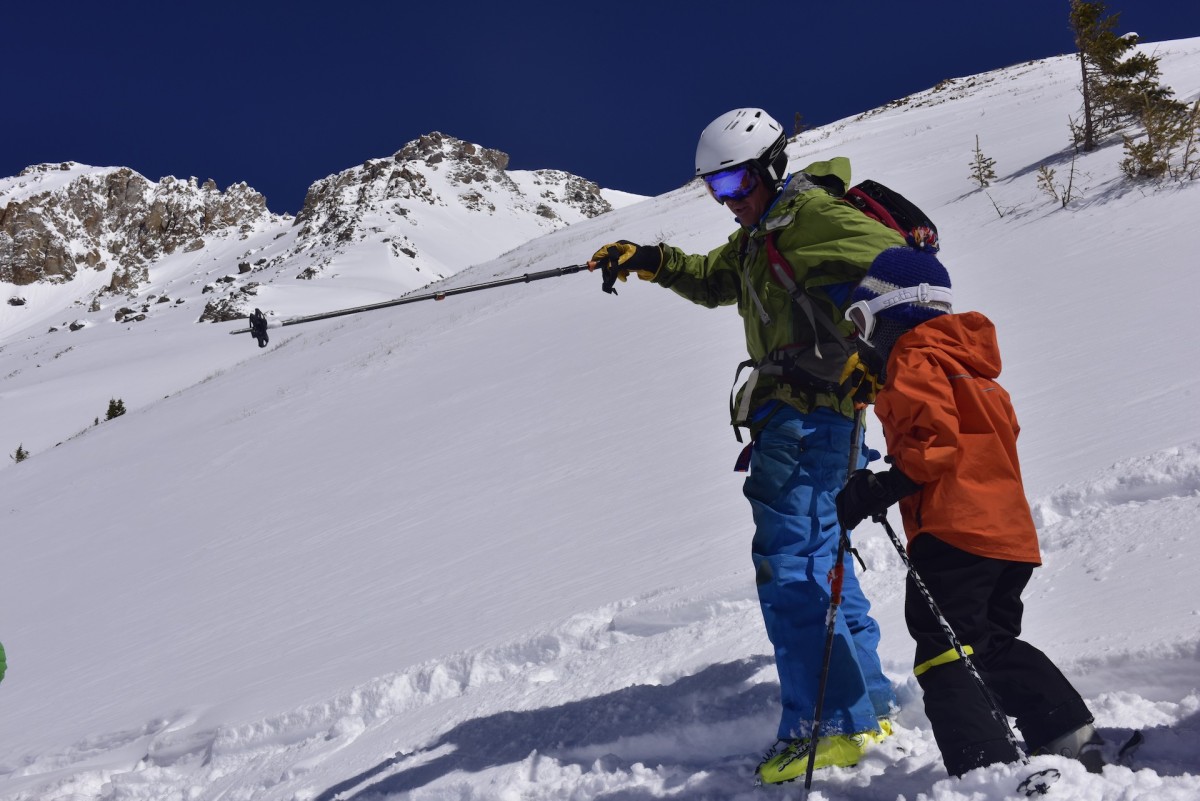
And the harder the activity, the better, says Tommy. “If it’s something that requires focus, they don’t even think about it. If it’s a mellow trail or something, they might not want to go. But if it’s technical, like climbing, skiing or kayaking, they’re all over it. I think kids can learn a lot from being uncomfortable outside and then persevering and getting that reward, whether it’s an untracked powder field or nailing a line in a rapid. You can’t get that from school.”
courtesy Polly Hilleke
On gummy bears as bribery Sometimes, the couple adds, as with many parents, they’ll resort to bribery. “Bring plenty of snacks,” advises Polly. “We use them to keep them going.” Adds Tommy: “They’re like little Labradors—we’ll give them snacks like gummy worms to keep them going. On the Grand we used those Izze drinks. I might even let them split a Red Bull here and there—one of the small ones.”
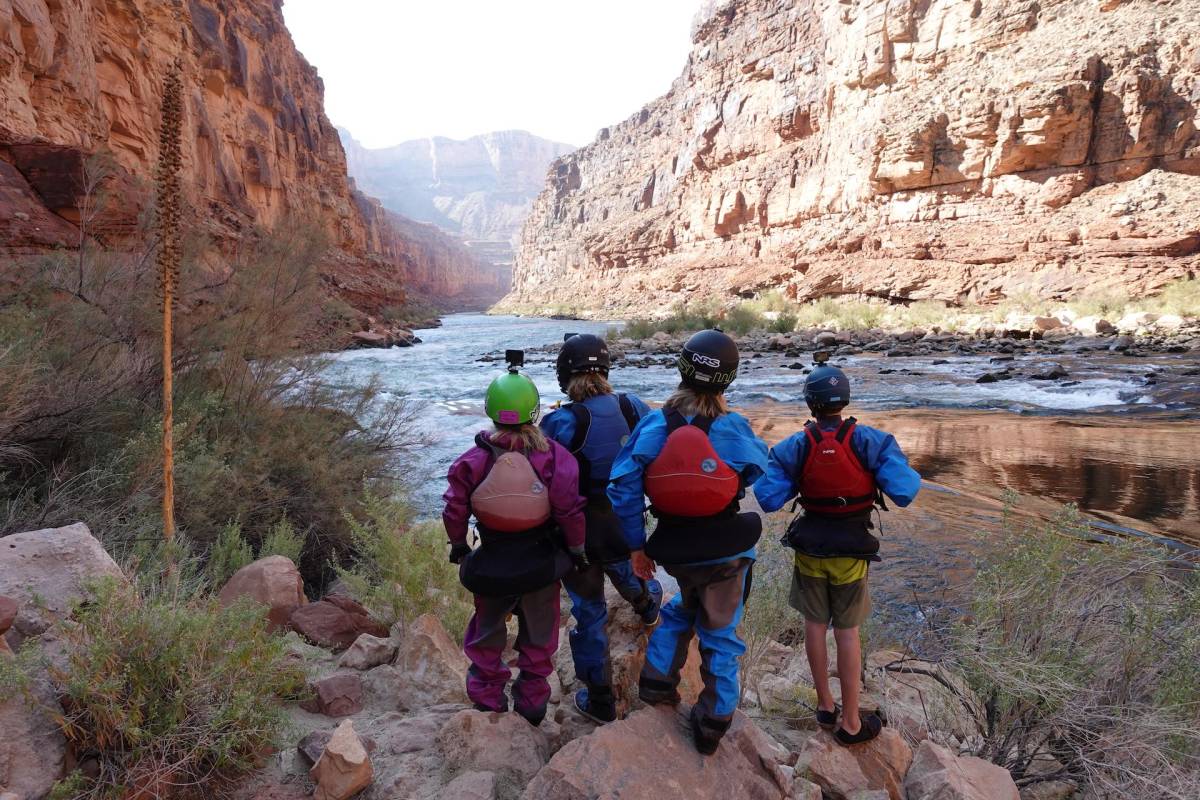
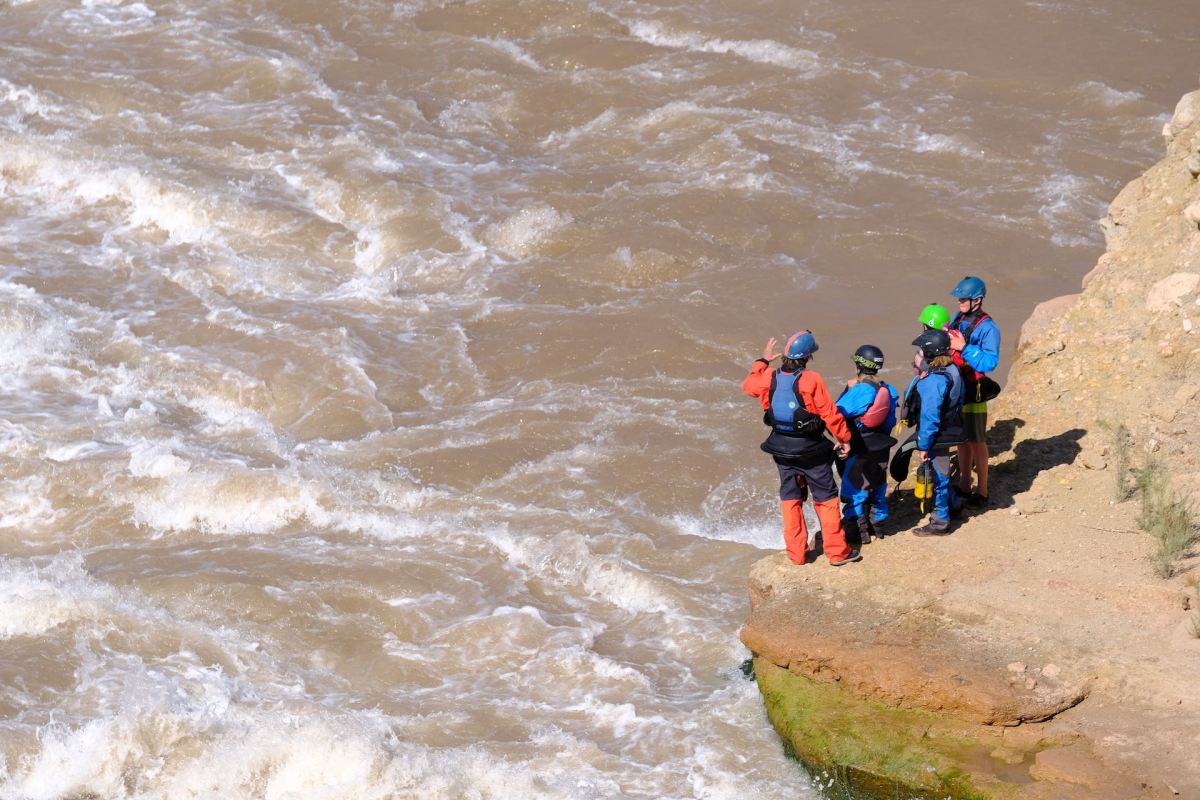
The four Hilleke brothers, scouting a rapid on the Grand Canyon during their family kayaking descent of the 280-mile stretch.courtesy Polly Hilleke
On keeping them on kid time Parents have their schedules, kids have theirs. For the Hillekes, they defer to the latter for all of their family outdoor outings. “That’s our overarching theme,” Tommy says. “We make sure we’re not on a schedule to be done by a certain time. We let it take what it takes. If that means stopping at a beach for a while, then so be it.” Adds Polly: “Don’t be in a hurry and let them get dirty—stop to check things out. We called it ‘exploring’ not ‘hiking.’”
On staying with it Bodie had a breakthrough earlier this summer when, after missing his roll and swimming at the bottom of Warm Springs rapid on a five-day trip down the Yampa River, he just made the decision that he wasn’t going to swim anymore. “He hasn’t swam since,” says Tommy. “He was pretty upset about that and super mad that he swam. So he practiced it a lot over the summer and got better.”
Courtesy Hilleke family
On dealing with adversity “On the Grand, we stopped at a jump rock and all the boys did backflips except Bodie. He got super mad about that as well. But a lot of it is just the youngest brother trying to keep up with the big kids. But he’ll probably go back and practice that as well.” The older siblings have learned from adversity also. When Tommy took his two oldest boys down Class V Gore Canyon of the Colorado River, Kelly “got beat down” in Tunnel Falls rapid. “Daniel then ran over him when he came over the falls and knocked him out of the hole,” Tommy says. “Dax and Bodie haven’t learned that yet. Dax wanted to run the ledge hole at Lava Falls on the Grand, but I said, “That’s not a good idea right now.’” Says Polly: “Give them the opportunity to fall, fail, and get back up.”
On organizing gear For most parents, getting their kids to grab their shoes, coat, backpacks, notebooks and everything else for school is a chore. Add skis, boots, poles, helmets, goggles and gloves to the mix, or, heaven forbid kayaking gear, and the ante gets upped considerably. “We push them to take care of themselves,” Tommy says. “When we’re going boating, I’ll check that they have everything, but they have to get it all together. We put it on them. When we’re skiing, they have to carry their own stuff. If they forget their jacket or gloves, they get cold and have to get one from the lost and found. It teaches them.
“But we’re a full-on junk show wherever we go,” he adds. “At the Glenwood Wave this year, everyone had their own gear bag but Bodie forgot his afterward and it got stolen. He was super pissed. We made him pay us by doing chores to work it off. We try to do that with all their gear. A kayak for their birthday is one thing, but if they want another one or something, they have to help pay for it somehow.”
courtesy Polly Hilleke
On risk vs. reward It’s the age-old parenting dilemma: When do you take your hand off the bike, let them swim solo in the pool, or plunge off the rope swing into the water? For the Hillekes, such a moment came after the trip was over and they decided to run the pulsating Pearce Ferry rapid a couple miles below the takeout—harder than anything the previous 280 miles. “We did the whole process of getting out, scouting it, finding our line and setting safety,” Tommy says. “There’s a big hole you have to miss and at 65 pounds you don’t have a lot of mass to punch through it. But they all did great and learned a lot from it.”
It also brought up the question of risk versus reward, however—something all kayakers are familiar with. “I was having a hard time wondering if this was loose decision-making for a parent,” he says, equating it to times they take their kids backcountry skiing outside Aspen. “I don’t know where the line is in believing in their ability level and trying to keep them safe, but I think I was pretty close right then.”
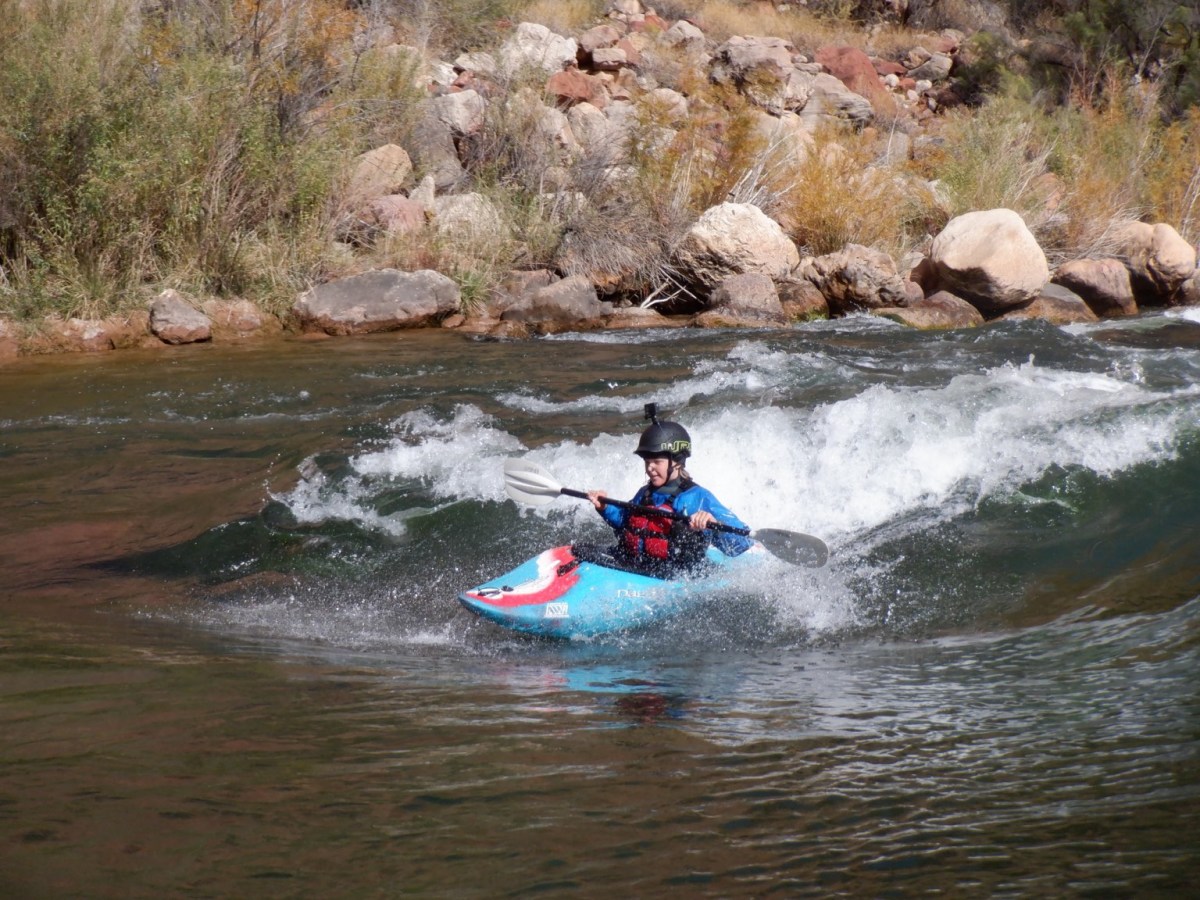
Bodie Hilleke, surfing on the Grand Canyon this October, becoming the youngest person to ever kayak the famed, 280-mile stretch.courtesy Polly Hilleke
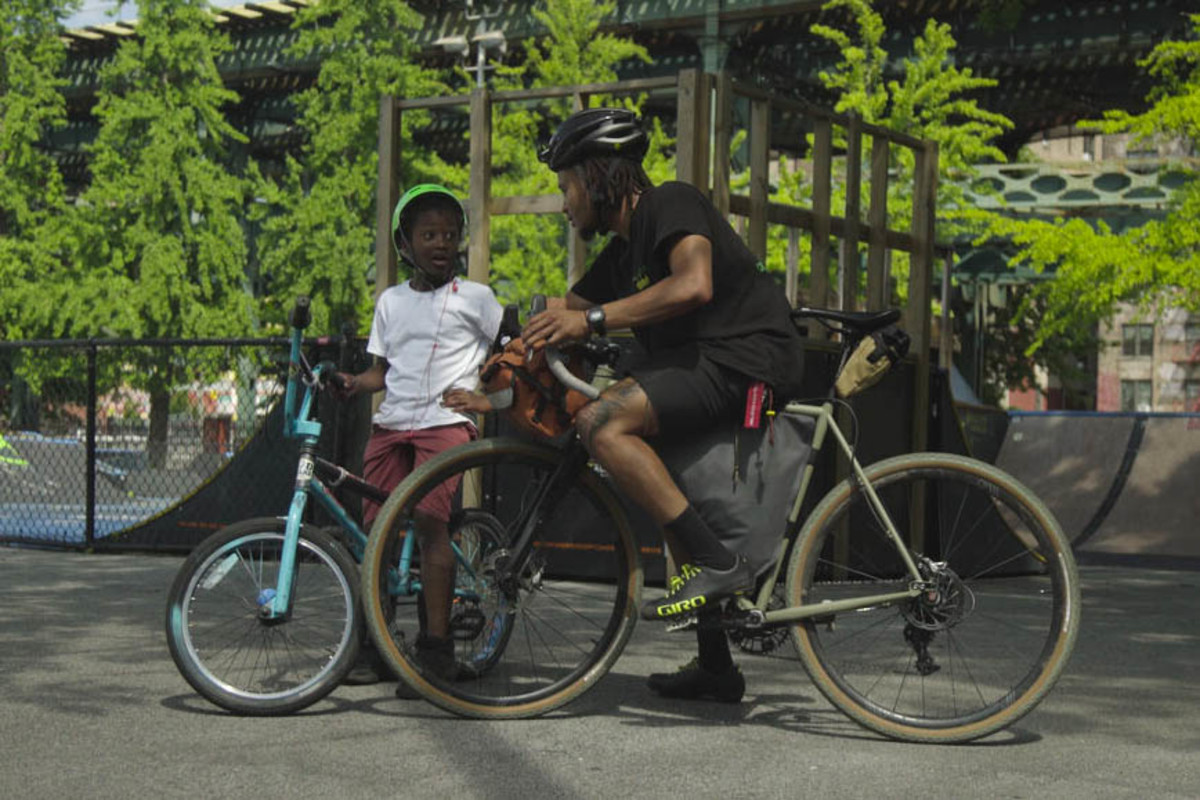
Some ideas have legs. Less than five months after John “Bobby” Shackelford, a 25-year-old New York City bicycle messenger, hatched a plan for a 1,100-mile ride paralleling the historic Underground Railroad, he arrived in Mobile, AL, ready to start pedaling. Along with four friends, his aim was larger than a self-indulgent sufferfest. Instead, the cohort planned to use their journey as a tool for awareness and activism.
“We felt the momentum,” says Shackelford. “We’re all having conversations about race right now and we didn’t want to miss out. We knew we had to do it this year.” Early in the 2020 pandemic, while doing the research for his friends’ next big ride, Shackelford realized that no adventure cycling films he’d seen had representation for people of color. “There was nothing we could relate to,” he said. “So we decided to do it ourselves, to show that these types of trips are for everyone, regardless of your background or skin color. We want to show that bikes can provide freedom for anyone, even kids from the hood.”
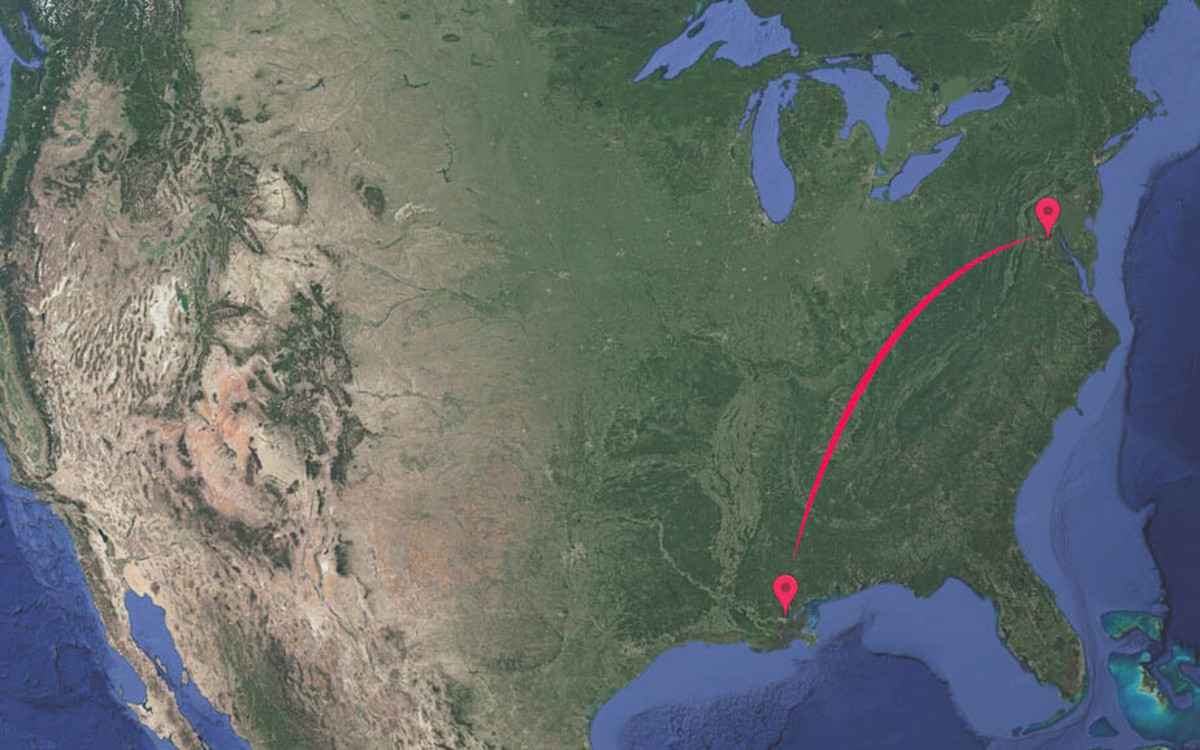
Shackelford and four companions departed Mobile on September 26 and arrived in Washington, D.C., nearly three weeks later. Retracing the path of the underground railroad, they connected historically significant locations including Selma, Montgomery, Winston-Salem, Richmond and Jamestown, to learn about and share pivotal moments in Black history, slavery, freedom marches, and ongoing persecution.
“Without a bike, I may not have gotten out of my neighborhood in southeast D.C.,” said Shackelford. “I wanted to draw this connection— that bikes are a modern form of freedom. I wanted to document our journey and show the struggles like bad weather, long days, and modern-day racism.”
Using bicycling as a tool to engage and give back (the UGRR team donated bikes to dozens of kids along the way), Shackelford spearheaded the trip and brought together a small film crew that acted as a support group during the ride. The project grew in scope as brands and donors came on board, which asked the question: What is the path from slavery to freedom and are Black people free today?
To learn more about the project, MJ sat down with Shackelford and Edwardo Garabito, another rider in the crew, to ask them a few questions about their three weeks in the saddle.
MEN’S JOURNAL: Where did the idea come from? BOBBY SHACKELFORD: We plan at least one or two tours each year. We’d never done anything this big, but it’s not our first bikepacking trip. We started digging around for ideas, something to get stoked on and nothing came to the forefront. Nothing we could relate to. Nothing spoke to us. I thought of riding the underground railroad and it snowballed from there. We made a teaser, got a lot of encouragement, and watched it grow. It quickly went from a small thing to a big thing.
EDWARDO GARABITO: I’m good friends with Bobby and we’ve known each other for a long time. We have a history of doing big tours together, but nothing of this size. Originally I wasn’t going to be on the ride, but another rider dropped so I was brought in late. I’m really grateful I got the opportunity to be part of it. A month and half after I got the offer, I was in Alabama ready to ride. It was so fast. I didn’t do a ton of training, I wasn’t riding a lot at the time.
What other bike trips have you guys done together? BS: I’ve done a euro tour from Helsinki to Latvia, a two-week trip that was supported. We also did a self-supported ride from D.C. to Niagara Falls a few months ago. That was different and more challenging, suffering with all that weight on the bike.The longest anyone had done was about 600 miles before this.
Tell me about the crew: How well did you guys know each other? BS: I knew everyone well except for Carson. He was our mystery rider. Our dynamic was really solid. Of course, everyone had bad days and good days but no one complained or quit or said they were too tired. Everyone toughed it out.
EG: Rashad Mahoney is a racer and bike messenger from Baltimore. He’s a very mellow guy. Richard Carson races cyclocross and also is a messenger from Indianapolis. He’s fast, lovable, and cool as hell. Alex Olbrich works in a D.C. bike shop and was one of our best navigators. If it wasn’t for him we probably would have wasted a lot of time. I’m also a bike mechanic in D.C. for an exclusive shop. I’ve been a mechanic my entire life and was able to help out with the bikes on the trip, which was nice. Bobby is confident and stubborn. He was the leader of the group and could ride a bike for years without stopping.
courtesy Underground Railroad Ride
Why did you guys decide to do this now? EG: Because of the climate and everything going on in the world right now. There’s a ton of media coverage for people of color and about police reform. We thought it was the perfect time to bring this message out. We wanted to show that anyone can do these long treks. We wanted to show something that no one else has. We wanted to inspire people. To show there are people of color doing big rides.
BS: This needed to happen. It felt like my responsibility. The industry says it is lacking diversity so I wanted to create it. I can say it all I want but if I don’t put it into action what’s the point. I needed to get the ball rolling and this is the start. I needed to show people how to take action. We just wanted to show real representation to a larger crowd. I guess you could say it’s my calling if you believe in that type of thing.
Tell me about the ride: How long was it and what were the key stops along the way? We started in Mobile, Alabama, where the last slave ship landed in the U.S. Then we head to Selma, the location of Bloody Sunday, and then to Montgomery, Alabama, where the civil rights marches took place. We visited the lynching museum in Montgomery (National Memorial for Peace and Justice), then on to Winston-Salem, stopping at some of the oldest African American churches in the country and the first Black communities in North Carolina. Then through Jamestown, home of many plantations, and on to D.C.
EG: We got to see Africatown, one of the last places slaves were freed. In Jamestown we saw where the first slaves lived. In Selma we saw where MLK led the civil rights march. And a lot of museums, too. We were doing 70-110 miles per day and rode for 15 days total, with a few rest days in between. Took us about three weeks to complete. Honestly, it was pretty hard. The terrain was brutal and hot, often in the upper 80s and humidity. We always had to be prepared with food and water, not knowing where we’d find the next town. There were some crazy hills in Virginia with long miles that we just had a muscle through.
Underground Railroad Ride
What was it like having a film crew with you? BS: It was our first time doing this and was challenging at times, mostly lining up on the schedule often dictated by filming in good light, especially in the mornings and evenings. We did a lot of interviews, got to meet a bunch of historians, activists, and people like Ahmaud Arbery’s family. We got to learn from all of them. We worked with the film crew to weave in cycling, mostly by using bikes to connect all these locations. We wanted to show how bikes can bring anyone freedom. The bike crew and production team were both super diverse. I didn’t want it to be an exclusive Black thing. I wanted a mixed group. Native Americans, Latinos, white and Black. We all need to solve this together.
EG: The production team was a group of people that came together at the last minute. High-level talents but it’s important to say that nobody made money off this project. I think the crew was 12 people in total that followed us in three cars, setting up shots, interviewing people in towns we biked through. This changed the dynamic from other rides we’ve done, but we all knew the film was a big part of the project.
What were the biggest challenges? EG: Well I’m a big guy. I was the heaviest and tallest guy. I’m 6’3” and was like 250 pounds when we started. It was hard for me to keep up at times, especially on the big climbs. These guys are fast and fit so keeping up was challenging. Doubted myself a lot that I could finish it. I don’t think I would have by myself, but that’s why it’s great to ride with a group. I wanted to inspire other big guys out there that they can do stuff like this, too. People that look at a bike and think they can’t ride because they are big. Bikes have helped me get healthy. They changed my life.
BS: The biggest challenge for me was scheduling everything with the film crew. Just trying to keep everyone happy. This was pretty constant. I learned a lot and would do a lot differently next time.
Have you seen anything like this? EG: No, not really. It’s always white guys doing big rides in adventure films. Rapha rode Route 66, which is a similar distance but they are all white. Nothing that’s big miles on bikes with all people of color.
BS: Nothing as real and raw as this crew. The difference with this film is that we’re all real cyclists. We all work in shops, race local events, or work as messengers. We talk like that. It’s not a pro Rapha race video. This is gonna be real. Positive of course, but edgy. It won’t be what the cycling industry is used to.
What’s the plan with the film? BS: The plan is for it to come out in eight or nine months, roughly around June or July, 2021. We’ll try to premier at a few different places and we’re working with brands to help distribute it. For now we’re just trying to keep giving back by going to inner-city areas and teaching kids how to ride and giving away bikes. We’ve been lucky to get a lot of support doing this. It’s been fun teaching kids how to bike tour, or mountain bike, or just basic bike maintenance. Teaching them it’s not about being the fastest—it’s about having fun. This film is meant for that kid that comes from the hood looking for an outlet. A kid looking for freedom. It’s not a film for a kid with a full-ride to college. We want to show cycling is an escape.
What brands supported you? BS: We got help from a lot of folks: Cannondale, REI, New Balance, Eagle Creek, Pearl Izumi, Lazer Helmets, Easton Cycles, Ringtail, Backroads, Clif Bar, Jaybird, and SRAM, to name a few. I know I’m missing others, too.
What was your goal? BS: Honestly, just to teach. Really that’s it. If I see young kids like myself I want to give them the inspiration to start riding. If you’re a young kid who’s never owned a bike I want to help get them started. To inspire and show them that no matter where you come from you can ride and feel free.
Too often, the surf world gets divided into two separate clubs––the longboarders and the shortboarders. You can either rip the lip or ride the nose. But what about those who want the best of both worlds? Well, that’s what the mid-lengths are for.
Generally somewhere in the seven-foot range, the eggs have returned to popularity in recent years. Surfers such as Rob Machado, Joel Tudor and Devon Howard have demonstrated these boards hold the potential for unlimited fun––drawing steezy lines that could only be executed on a mid-length.
Of course, you don’t need to take our word for it. Check out this edit––appropriately titled ‘Egg Salad’––and you’ll see why the middle is the place to be.
Ask anyone about their dream physique and you’ll probably hear a lot about abs. Whether that means losing a few pounds around their midsection or sculpting washboard abs––the core is a key concern for many people.
For those of you still stuck in a crunches conundrum, we rounded up five abdominal workout routines (see below) from fitness enthusiasts on Instagram. Each workout is uniquely tailored to blast your core and help you achieve that six-pack you’ve always wanted.
This article originally appeared on Surfer.com and was republished with permission.
It wasn’t that long ago that Ireland was barely a blip on the surf world’s radar. But as Irish surf culture steadily developed, clips of them riding bigger and burlier waves continued to surface.
In late October, a monster swell from Hurricane Epsilon slammed into Ireland’s Mullaghmore Head. Soon after, a viral clip of Conor Maguire riding a 60-foot monster wave dropped jaws around the globe.
Learn more about the surfers and culture in Ireland that paved the way to Maguire’s epic ride. This video comes from filmmaker Mikey Corker’s award-winning 2018 docu-series, Made In Ireland.
This article originally appeared on Bikemag.com and was republished with permission.
In the early 90’s, Christian Bagg was at the top of his game. He was pushing the limits during the early days of both snowboarding and mountain biking. He was riding on the edge and searching for that next thrill––bigger, steeper, faster. But one day, Bagg crossed that line and broke his back during a snowboarding big air contest. The fall would leave him paralyzed from the waist down.
However, Christian Bagg was not about to surrender to his circumstances. As a mechanical designer, Bagg began working on prototypes for adaptive cross country skis and mountain bikes. The task was daunting but his motivation was summed up in a simple sentence: “If I don’t build it, no one else will.”
Bagg’s initial five attempts at building an adaptive mountain bike failed. But eventually, he hit the right combination.
“The Reach evolved from this thing with a cross-country sit-ski bolted to the front of it, to this super professional, electric motor, articulation, best bike part on the planet,” said Bagg. “We built a mountain bike.”
He certainly did. And this three-wheeled beast wasn’t built to simply cruise around on a dirt road––it was built to rip. In this video, Bagg shares the inspirational story of how he developed the Reach, what it felt like to ride again, and the reward of helping fellow paraplegics get back on the bike.
“I get to have these moments in nature that I had when I was a kid,” said Bagg. “It’s unbelievable.”
from Men's Journal https://ift.tt/2UcGeUo
via IFTTT
Climbing media outlets worldwide are reporting this week that Emily Harrington, the 34-year-old professional climber out of Tahoe City, CA, has free-climbed Golden Gate on El Capitan in fewer than 24 hours. Her ascent marks the fourth time a woman has free-climbed El Cap in a day, starting with Lynn Hill on the Nose in the mid-’90s, followed by Steph Davis and Mayan Smith-Gobat on Freerider. (Freerider is the route climbed by Alex Honnold in the film Free Solo.)
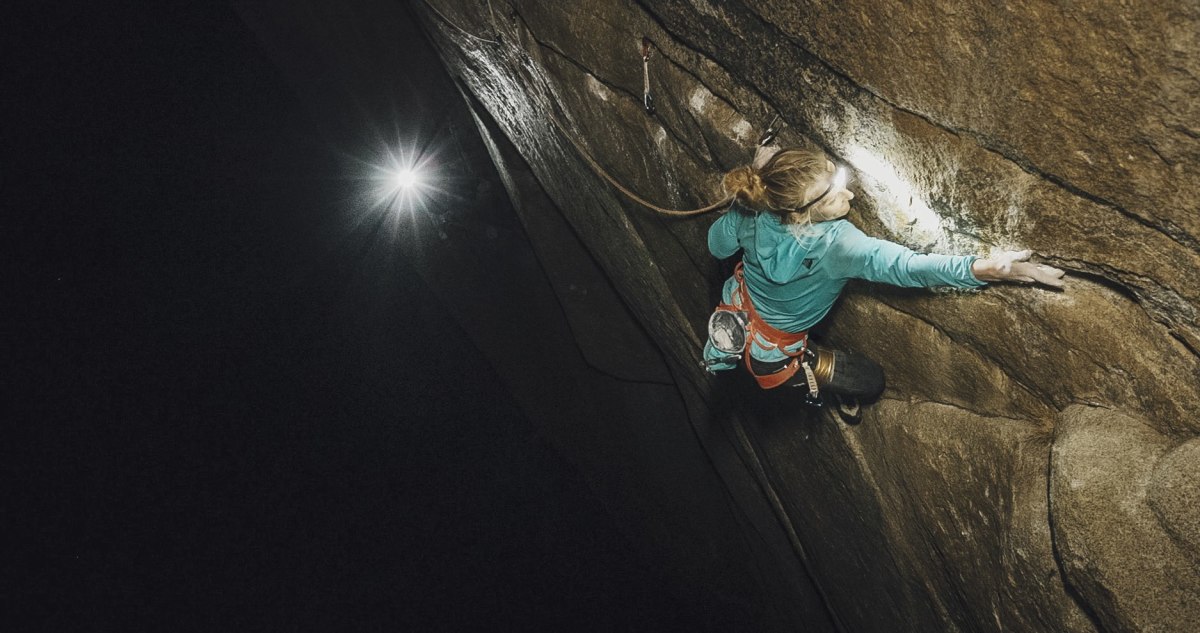
Golden Gate climbs the same line as Freerider for nearly half of its 3,000 feet before breaking right and eventually beelining across the wall via a section dubbed the “A5 Traverse.” This band, protected by a row of pitons left in situ, marks the end of the difficult climbing, where dangerous albeit easier terrain leads to the top. Harrington led the A5 Traverse at night—without a helmet—with blood running down the side of her eye from a fall she took earlier on the difficult Golden Desert pitch.
Harrington, leading the harrowing A5 Traverse at night.Jon Glassberg / Louder Than 11
Though she wore a helmet when she previously worked on the route, Harrington did not wear one that day as she didn’t want it getting in the way.
“It got pretty real up there,” says videographer Jon Glassberg, who captured the ascent for an upcoming feature-length film on Harrington.
Five years ago, and after extensive preparation, Harrington spent six continuous days on the wall to free climb Golden Gate. Attempts to shave five days off her climb and do it in fewer than 24 hours followed, but there were setbacks, and once she fell nearly 50 feet and required rescue.
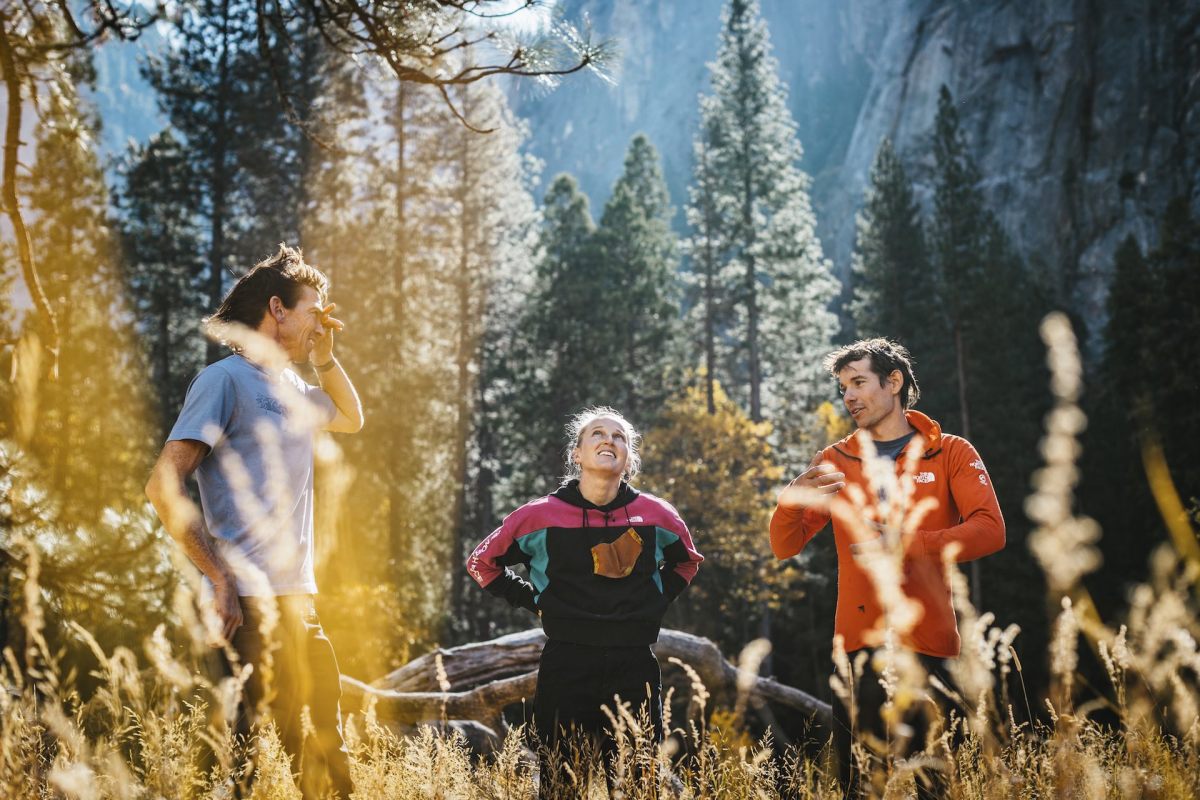
She completed her ascent on November 4 in 21 hours, 13 minutes. Alex Honnold supported her for the first half, simul-climbing with her so the two could cover 19 pitches (1,800 feet) in 4 hours. Harrington’s fiancée Adrian Ballinger took over from there and helped her to the top. He carried extra food and water, removed her gear, and belayed her through the route’s most difficult sections. She climbed light and fast, striking a balance between boldness and safety. But she admits that no matter how you slice it, free climbing El Cap is a dangerous game.
The team of Ballinger, at left, Harrington, and Honnold planning the epic, 21.25-hour Nov. 4 climb.Louder Than 11
To increase her safety margin and not repeat her accident from last year, “this year I put more gear in, but I think that climbing is inherently dangerous. It was about figuring out my risk tolerance.”
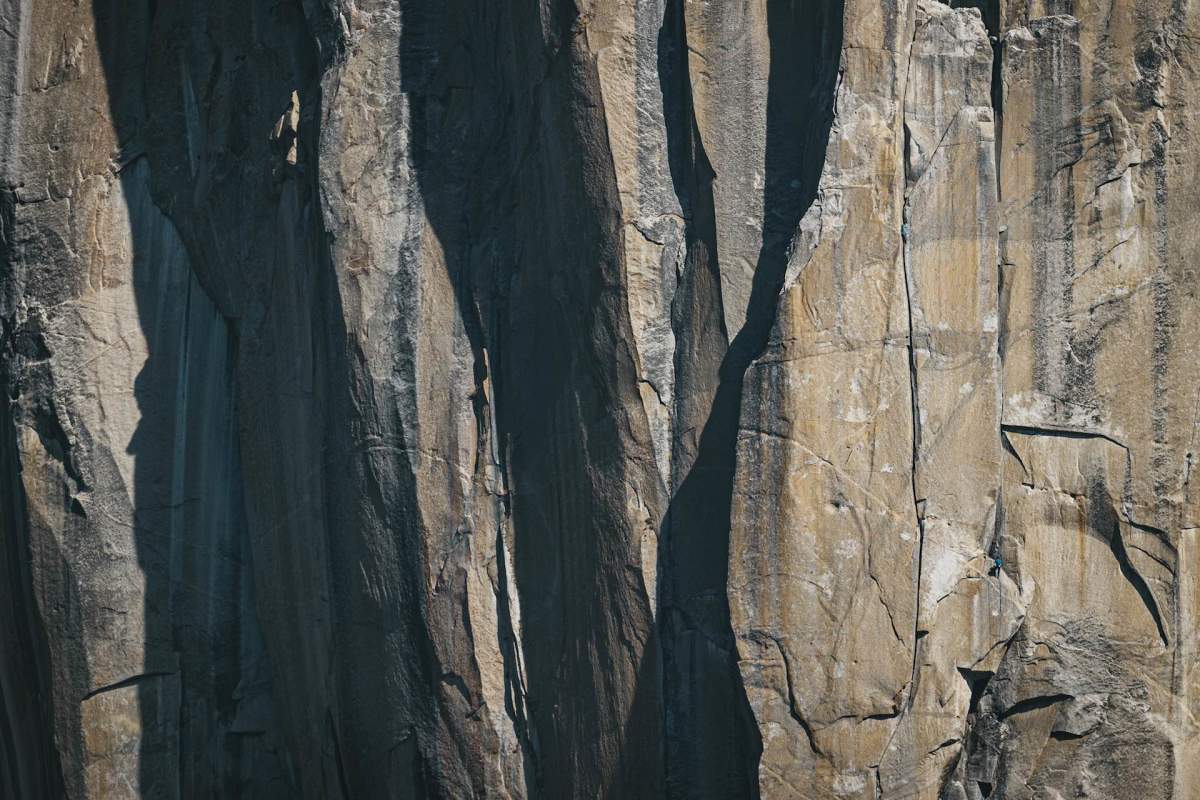
Squint to see Harrington leading Pitch 19 (The Monster offwidth). Note Honnold in blue in the lower right.Louder Than 11
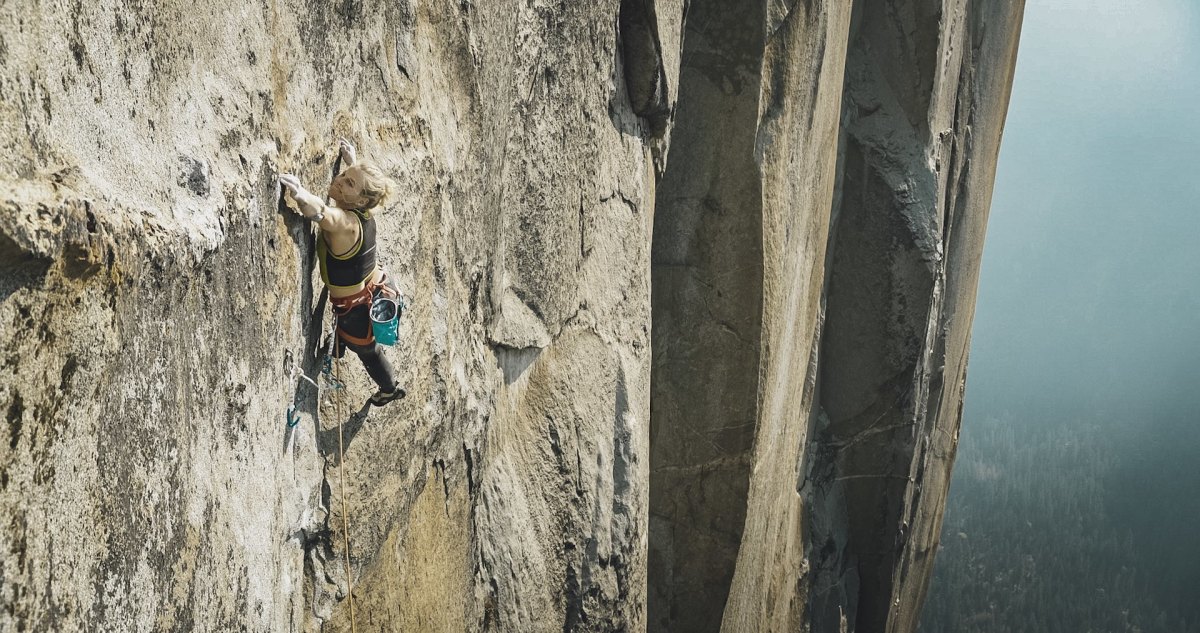
On the successful recent day earlier this week, she led all 41 pitches of the 5.13b route. She overcame rock as slick as glass, as well as fierce, wide climbing where you wedge your body into an endless crack, plus long moves, downclimbs, and tricky face climbing. She followed the ethic requiring that she would lower back to the belay when she fell and try again until successful.
Harrington encountering crux moves high on the wall with 70-degree temperatures.Jon Glassberg / Louder Than 11
Because she took two falls in one section, that meant that she had to lead the crux Golden Desert (5.13a) pitch three times in a row. “On the first fall, I ripped the gear out,” she said. “On the second fall, I hit my head.”
I ask her, did you see stars?
“I did see stars, yup,” she says. “But I didn’t lose consciousness.”
Those back-to-back falls marked her closest moment to giving up the goal. “A part of me was starting to accept that today wasn’t my day.” After finishing the pitch and regaining her composure for 30 minutes, she set off into the A5 Traverse and got it on her first attempt. She reached the summit at 10:30 pm.
This article originally appeared on Surfer.com and was republished with permission.
For many surfers, just getting barreled is challenging enough. Foil surfing undoubtedly presents its own set of challenges. Getting barreled while riding a foil board? That’s a whole different level of difficulty and sketchiness.
Well, Tahitian Matahi Drollet attempted that exact feat and lived to tell the tale. No matter what you think about foil boards, this clip is nothing short of hair-raising. And that dismount? Just gotta watch for yourself.
Like upgrading from your laptop’s tiny screen to a roomier external monitor, it doesn’t take long to realize a rigid desk chair isn’t cutting it in your home office. And that’s a detail worth nailing: The right office chair increases comfort while you’re putting in hours behind the desk. But, like a good mattress, that doesn’t come cheap. We’ve been using the Steelcase Leap for about two months now and our ass and back have noticed.
What It Is
Steelcase is one of the leaders in designing ergonomic office equipment, much of which also looks great in a home office. The Leap is a five-wheeled, reclining, fully customizable desk chair—from fabric colors to wheel style—that looks sharp and welcomes you to dial in the right fit for your body. The signature feature of the chair is the segmented back, which Steelcase calls LiveBack technology. It changes shape by conforming to your body’s natural spine shape, almost like an exoskeleton of supportive vertebrae.
Why We Like It
After a few weeks, we can say this chair is extremely comfortable. It works so well you almost forget about it. You’re aware of sitting down, obviously, but it never feels restricting and nothing aches. A trend in ergonomic office seating has been moving away from knobs and levers as the chairs become more responsive and automatically adjust to body movement without much fussing from you. If you’ve ever sat in older office chairs you understand—manning the levers can feel a bit like operating a tank. Can it be complex? Yes, but there is no better way to get a customized fit than getting in there with your hands.
So, Steelcase included a cheat sheet. Pivot both armrests in towards your body and each reveals easy to follow diagrams on manipulating the Leap’s six adjustments. The 66-pound chair arrives basically fully assembled, and in a pretty massive box. After wheeling it into our home office and without reading any manuals, we had the fit dialed in after a few minutes. And if you share your office space, that built-in guide means anyone can tweak the fit on the fly.
The seat and backrest each have their own adjustments. We like a deep seat that offers more support behind the knees and the Leap flexes to fit that. Each armrest moves up and down, forward and back, and towards or away from you—so you can find what works for you. When you need to get up, it’s easy to brush them aside if you have to. Reclining is easy and happens with both feet on the floor. There is a good amount of flex on the edges of the seatback to accommodate some mid-day twisting or if you’re reaching to get something behind you (or to pet the dog).
We tested a standard black chair, but you can pick from dozens of fabric, leather, and frame colors, each of which comes with their own price increases. While pricey, the chair comes with a 12-year warranty.
Nitpick
The seat back’s foam hugs your back nicely, but it can get a bit warm. The back’s adjustable lumbar support clicks into about 10 or so spots as it climbs up the spine. It feels comfortable but adjusting it requires coordinating two tabs simultaneously, which can be annoying to do properly.
This article originally appeared on Bike.com and was republished with permission.
During stressful times, the best medicine is to simply tune out and do something we enjoy. While preferably this means hopping on a bike and hitting the trails, sometimes you need to relax from the couch. For the latter, we have found the perfect video to help you unwind.
The good folks at Ride or Die released this six-minute edit and it’s a sizzler. Good editing and even better riding, it’s all we can ask for. So hit play, sit back and relax.
from Men's Journal https://ift.tt/3p1quSx
via IFTTT
This article originally appeared on Surfer.com and was republished with permission.
Last week, Nazaré experienced one of its biggest swells in recent memory. As expected, many of the world’s top big-wave surfers flocked to Portugal and put on show that attracted lots of attention––both online and in-person. But while the eye-popping clips circulating social media have drawn millions of eyeballs, it was the thousands of people watching the spectacle from the beach and cliffs that drew the attention of government officials.
In normal times, crowds gawking at surfers riding liquid mountains is a typical part of the Nazaré atmosphere. But 2020 is no normal year and with a global pandemic continuing to surge, Portugal’s National Health Commission decided these crowds could not be allowed to happen again.
The result? A ban on surfing at Nazaré.
“In the current context of the pandemic,” said Jose Antonio Zeferino Henriques, Lieutenant Commander of the National Ministry of Defense, “Praia do Norte, municipality of Nazaré District of Leiria, is prohibited for the activities of Free Surf and Tow-in Surfing, as determined by the Regional Health Officer of the Regional Health Administration of Lisbon and Vale do Tejo, due to the promotion of public crowding, which constitutes an increased risk for public health.”
Portugal has seen Covid-19 cases skyrocket during the month of October, with daily cases increasing from 854 on October 1 to 4,007 on October 31. And with a mountain of media clips showing large crowds and very little social distancing, the government officials decided to step in and put an end to “the show.”
While it’s still unknown exactly how long the ban will be in place, the official order claims “until further notice.” Interestingly, it has also been reported that the mayor of Nazaré is already working to help surfers regain access to the water, as long as it is not an “event.” Where that leaves the Nazaré Tow Surfing Challenge––its holding period began on November 2––is unclear for now.
Unquestionably, the eyes of the surf world will be on this latest development. In the meantime, enjoy some of the best action from last week’s monster swell.
from Men's Journal https://ift.tt/3kUOZyh
via IFTTT
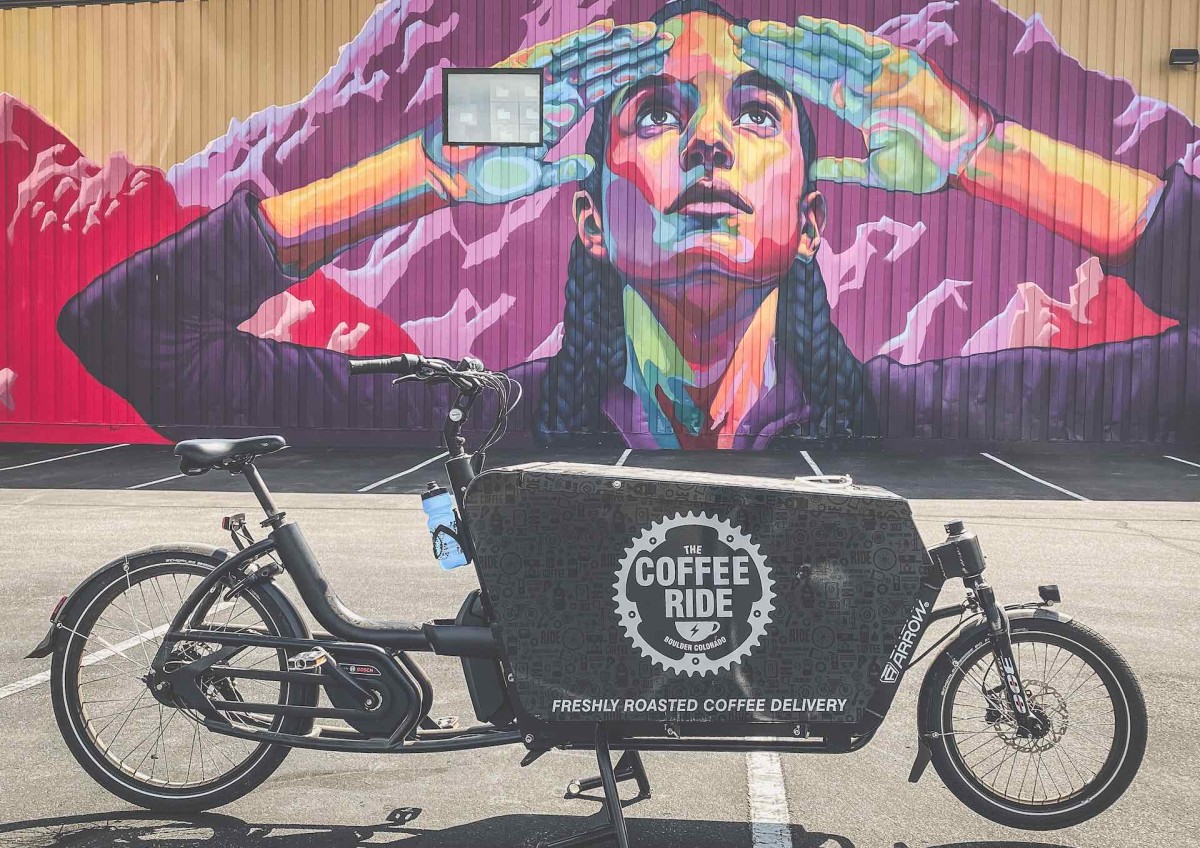
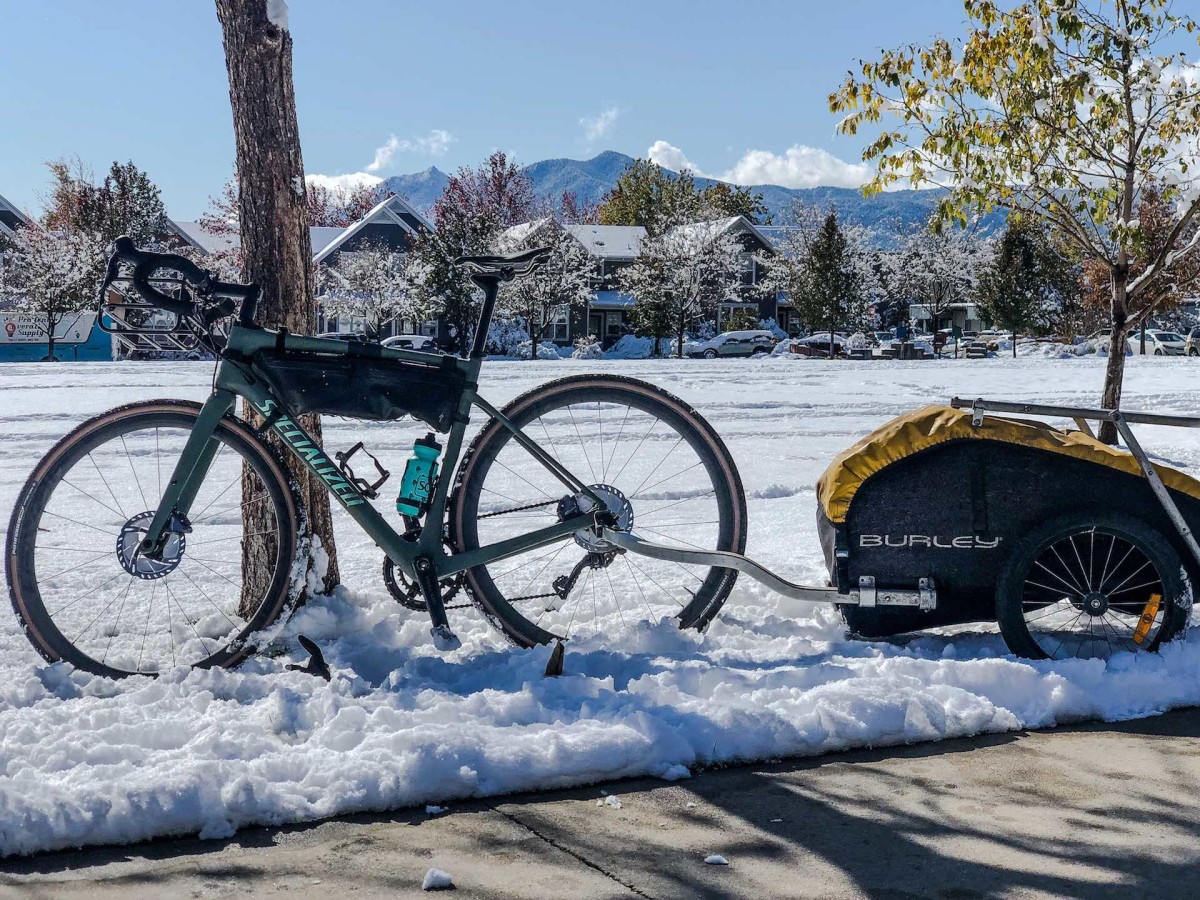
Rain, snow, or shine, Josh Crane delivers his signature roasts to Boulder, CO businesses and private customers alike, all under the power of his pedal-assist cargo delivery bike. And Crane has had plenty of weather extremes to parse recently, with snowfall blanketing the Calwood Fire—the largest in Colorado history—sparing Boulder, stopping the blaze in its tracks, and bringing on cold temps. Daytime highs continue to hover just above freezing, turning roads into a slushy, cruddy mess.
Crane looks forward to these crisp days. As the owner and operator of The Coffee Ride, Boulder’s roasted bean green-delivery service, Crane just adds layers. He puts on his mitts, zips up his jacket, and heads out, riding his electric, pedal-assist bike (he partners with Urban Arrow bikes), where daily deliveries can total 450 pounds. An average day of riding is 35 miles.
Crane’s new electric pedal-assisted setup.courtesy Josh Crane
“With deliveries, we wear masks to protect ourselves and our customers from COVID-19,” he says. “We took a big hit when cafes closed, but we were set up for people to get coffee delivered at home, which is my favorite thing to do—and it’s what the business is based on.
“I ride to quiet my mind,” he adds.
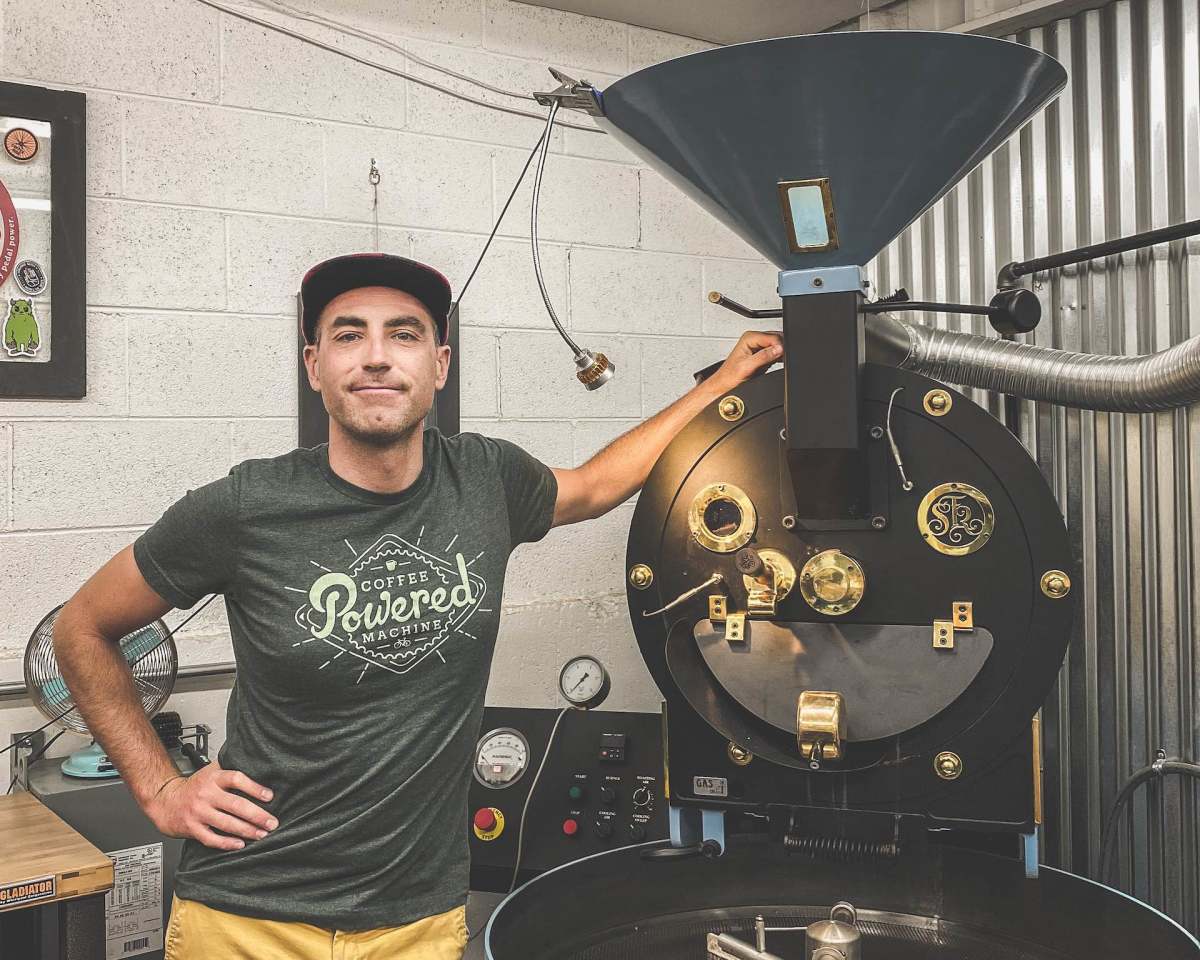
Sourced from a Pacific Northwest importer, Crane roasts the beans in Boulder and delivers them once a week on Thursdays. “Our beans come from all over the world, but our supplier in Washington makes all direct trade, with an ethical working relationship,” he says. “This way, I know exactly where everything is coming from.” Flavors include Colombia Aspro Timaná, Guatemala Candelaria, Uganda Rwenzori, Ethiopia Yirgacheffe, and The Daily Grind. Twelve-ounce bags cost $16 on thecoffeeride.com (available nationwide), where there is also an option to donate coffee to the Boulder Emergency Family Assist Association (EFFA). Bag for bag, Crane matches all donations to the EFFA. “When coffee shows up in the food bank,” he says, “people are stoked. It’s a real treat.”
Before starting his company in 2013, Crane was a medical student at the University of Colorado, Boulder and worked as a laboratory assistant at Boulder Community Hospital. He also worked in a bike shop. Though he loved helping people, his heartstrings pulled him a new way. “I took the idea from my grandfather, who was a 1950s milkman,” he says. “I liked how he made and delivered products that made people happy.”
Assisting Crane with his deliveries are professional cyclocross racer Sunny Gilbert and cycling coach Isaiah Newkirk.
Crane says of his clientele: “It’s a good mix of people; we get the specialty coffee connoisseurs because our coffee is so good. We also get customers who believe in doing better business and being environmentally conscious. We also get people who like to bring the outdoor experience that comes from bicycle delivery to their office and home.”
As the orders pile up, so do Crane’s hours on the saddle. He’s logged 16,000 miles by bike since opening six years ago, which is more than most Americans drive annually.
Crane coupled the production and delivery concept with roasting his beans, which he started making for his friends at the bike shop. Each day he’d show up 10 minutes early and brew his home blend coffee for the crew. He liked watching everyone light up when they enjoyed his drink and how conversations continued as he refilled their cups.
“I fell in love with the roast process,” he says, “and seeing how happy I could make people by bringing them my roasted coffee.
“I went all in, man,” Crane adds. “I sold my Subaru, bought a coffee roaster, and built my career.”










 in this one!!! // In all honesty it feels a bit silly that such a big deal was made out of a little slip
  . But I suppose it’s a good conversation about risk and how we analyze and apply it in our lives. Again I can’t say thank you enough to YOSAR, @alexhonnold @adrianballinger @tarakerzhner @sannimccandless @jonglassberg for the epic support and love
  // Link in Profile // edit @susietheis // #DangerStikTV @dangerstiktv

 (@matahidrollet)