Wednesday, May 1, 2019

Pediatricians explain viral 'croup' that often affects young children

(Reuters Health) - Croup, a common upper respiratory tract infection in young children under age 6, can become severe and require hospitalization, doctors say in a new patient resource published in JAMA.


from Reuters: Health News https://reut.rs/2XSAtv4
via IFTTT

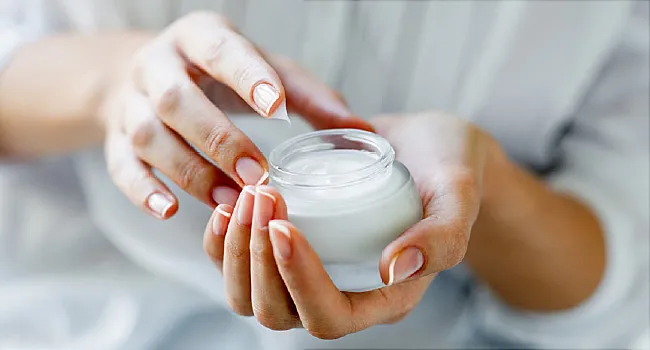
Same Moisturizer Costs More for Women Than For Men

person holding moisturizer

The study looked at labels like sun protection or anti-aging properties, for sensitive skin, or hypoallergenic, and the only difference between women's amd men's versions was price.


from WebMD Health https://wb.md/2WjFRXF
via IFTTT

Gear Up for Summer at This Huge Perry Ellis Sale—Up to 72% Off Suits!

If you’re looking to upgrade your summer wardrobe, look no further than Perry Ellis. Classic but contemporary, traditional but fun, at Perry Ellis you can pick up a whole closet full of great summer clothes at incredible markdowns, thanks to the huge Extra 40 Percent Off Sale, happening right now. Combine that with the 30 Percent Off Linen sale and the 30 Percent Off Fragrance Sale, and there’s no reason you should have a whole new summer kit this year.

The Extra 40 Percent Off Sale takes select styles from the Sale page at perryellis.com and chops another 40 percent off those already-low prices. From dress pants and shirts to shorts, underwear, and more, there’s a ton of great gear that’s ideal for long summer days in the office and late summer nights on the deck. These deals run through midnight on May 19.

But don’t stop there. It’s also the 40 Percent Off Linen Sale at Perry Ellis. That means suits, pants, jackets, camp shirts, and more, all crafted in the perfect summer fabric, are marked down 40 percent. And we know what you’re thinking—so we searched and found a 3-Piece Linen Suit that meets both categories and, sure enough, it’s 72 percent off! But only if you buy it by Thursday 5/2 at midnight.

Also through midnight on 5/2, Perry’s annual 30 Percent Off Fragrance Sale means you can get awesome savings on some of Perry Ellis’ most iconic colognes—as well as perfumes for women (hello, Mother’s Day). From Pure Blue and Aqua to Citron and Perry Ellis Black, there’s a fragrance for every man and every mood—and great gifts for the lady in your life, too.

So don’t settle for the same old, same old. Perk up our summer wardrobe, and spice up your summer attitude with some new gear at Perry Ellis. But you’d better hurry; styles, colors, and sizes never last for long at sales this massive.

GET IT: Check out all the great gear at the Extra 40 Percent Off Sale at Perry Ellis now.


from Men's Journal http://bit.ly/2DEKJ2g
via IFTTT

Vertonghen head injury: The rules in different sports

Jan Vertonghen's head injury has sparked a debate on concussion. How is it handled in other sports?

from BBC News - Health https://bbc.in/2VKM9CR
via IFTTT

New report spotlights top malware threats to hospitals

Trojans, riskware, spyware and worms all plague healthcare, which leads all industries in number of data breaches.

from News from healthcareitnews.com http://bit.ly/2ZNVt7P
via IFTTT

Baby boomers and hepatitis C: What’s the connection?

Hepatitis C is a viral infection that is spread through contact with infected blood. Hepatitis C infection can be short-term (acute) or long-term (chronic). Most people with acute hepatitis C eventually develop chronic hepatitis C.

Hepatitis C usually does not cause symptoms, which is why most people with hepatitis C don’t know that they are infected. Left untreated, hepatitis C can lead to cirrhosis, liver cancer, and liver failure.

Why screen baby boomers for hepatitis C?

Why are we recommending screening of adults in the baby boomer generation? To understand this, it’s worth reviewing how we got here.

In 1998, the Centers for Disease Control and Prevention (CDC) established HCV testing guidelines based on the presence of risk factors. These included receipt of blood transfusions prior to 1992, when blood donations began to be screened for HCV; receipt of clotting factors before 1987; hemodialysis (a process that filters the blood when the kidneys are not working properly); and injection drug use. However, not many cases of hepatitis C were diagnosed. This could likely be traced to a combination of doctors not being adequately engaged, and patients in denial of their risky behaviors.

To identify more cases, the CDC jettisoned its old approach and moved to a blanket recommendation to screen all adults born between 1945 and 1965, the baby boomers. The rationale for this was that more than three out of every 100 baby boomers were infected with HCV. This was at least five times higher than in any other group of adults, and accounted for about 75% of HCV cases.

Moreover, the diagnosis of HCV in this group would identify those with long-duration chronic disease, who were at risk for the most advanced forms of liver disease. So in 2012, the CDC and United States Preventive Services Task Force (USPSTF) formally recommended that all baby boomers get a one-time blood test to check for HCV. (The guidelines also continue to recommend that those at high risk for other reasons be screened.)

Why is the prevalence of HCV so high among baby boomers? Risk factor assessments suggest that this group may have been more likely to engage in occasional or ongoing injection drug use during young adulthood, particularly in the 1970s and 1980s.

Hepatitis C screening is now more important than ever

HCV screening is more important than ever. Why? First, it is critical that we identify everyone with chronic HCV because they are at increased risk for early death due to liver disease. There is also mounting evidence that chronic hepatitis C is associated with increased risk for diseases outside the liver, including heart and kidney disease, as well as diabetes. In addition, recent dramatic advances in antiviral therapy allow us to cure the vast majority of HCV infections using short courses of well-tolerated oral medications.

Indeed, the World Health Organization (WHO) has committed to a global effort to reduce new cases of HCV infection by 90%, and to reduce HCV-related mortality by 65% by 2030. To be sure, this goal can only be accomplished if we identify cases of existing HCV infection. Some countries are on track to achieve this target, and have done so by enacting widespread population screening campaigns coupled with access to antiviral therapy. We can and must do better with screening in the United States if we’re to come close to the WHO’s goals.

The post Baby boomers and hepatitis C: What’s the connection? appeared first on Harvard Health Blog.


from Harvard Health Blog http://bit.ly/2USorja
via IFTTT

FDA to deploy AI to aid food regulation

Agency says it will also evaluate blockchain and IoT technologies for creating a safer food system.

from News from healthcareitnews.com http://bit.ly/2V5GjMw
via IFTTT

9 Steps to Creating a Drug Diversion Monitoring Program

A nurse gets into a car accident and requires surgery. After surgery, the nurse is prescribed painkillers and becomes addicted. Because she works in a hospital, the nurse has access to drugs and continues to pilfer them to feed her addiction for many months.

from News from healthcareitnews.com http://bit.ly/2UW4qIx
via IFTTT

Cwm Taf chairman admits 'we have failed' on maternity care

The chairman of a health board at the centre of a damning report says "we have failed".

from BBC News - Health https://bbc.in/2Li32Rh
via IFTTT

Has Leeds cracked the obesity problem?

The city is being lauded for success in reducing the waistlines of young children. Should others follow its lead?

from BBC News - Health https://bbc.in/2IUmjpC
via IFTTT

Lonely young adults 'in every kind of neighbourhood'

Loneliness is as much an issue in urban areas as rural ones and in wealthy areas as much as deprived ones, a study says.

from BBC News - Health https://bbc.in/2PBYRy6
via IFTTT

Cwm Taf maternity: Mothers ignored and made to feel worthless

Mothers speaking to the Cwm Taf maternity review "overwhelmingly" had distressing experiences.

from BBC News - Health https://bbc.in/2UPAwWz
via IFTTT

U.S. environment agency says glyphosate weed killer is not a carcinogen

The U.S. Environmental Protection Agency (EPA) said on Tuesday that glyphosate, a chemical in many popular weed killers, is not a carcinogen, contradicting decisions by U.S. juries that found it caused cancer in people.


from Reuters: Health News https://reut.rs/2ZOJ5ok
via IFTTT